


Understanding our living planet
Researchers are revealing how the mantle drives Earth’s continuous reshaping and internal evolution through volcanic and tectonic activity.
Modern mantle science combines:
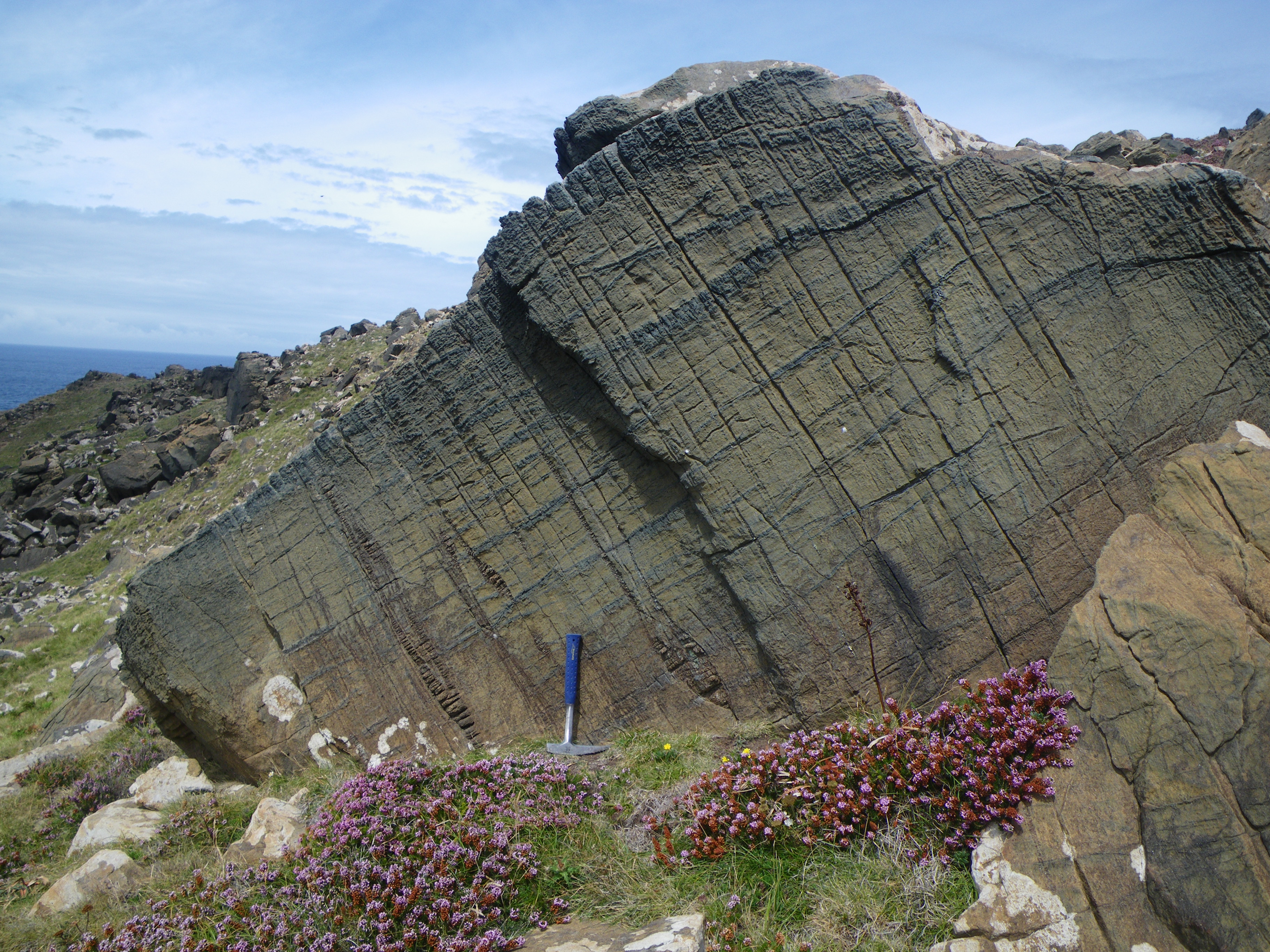
- ⛏️ Field geology — studying exposed mantle terranes such as ophiolites and orogenic massifs.
- 🚢 Marine geology — recovering dredged abyssal peridotites and drill cores from the ocean floor.
- 🌋 Volcanology — studying eruptions, lavas and mantle xenoliths hosted in basalts and kimberlites.
- 🧪 Geochemistry & geochronology — analyzing elemental and isotopic compositions of rocks, minerals and fluids.
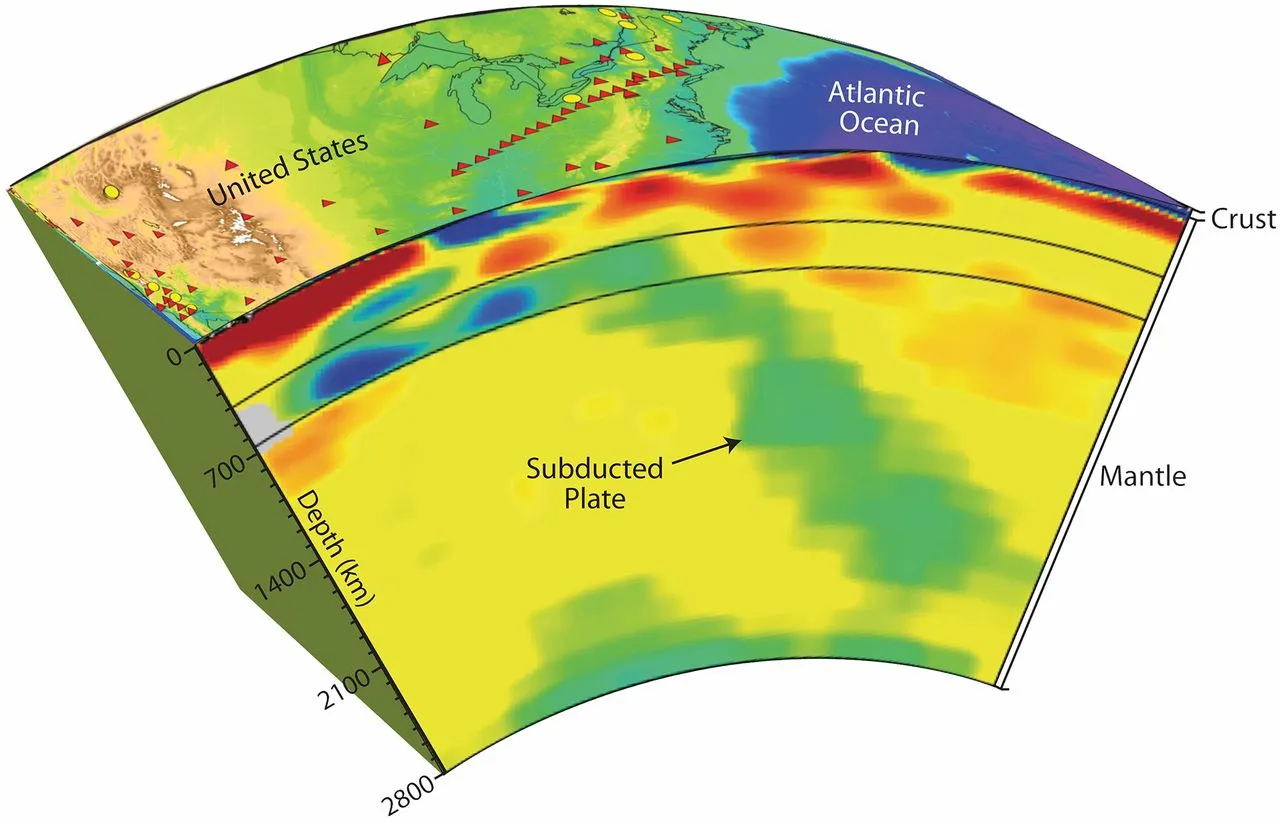
- 🔬 Geophysical & remote sensing — collecting seismic, gravity, magnetic, conductivity and remote sensing data.
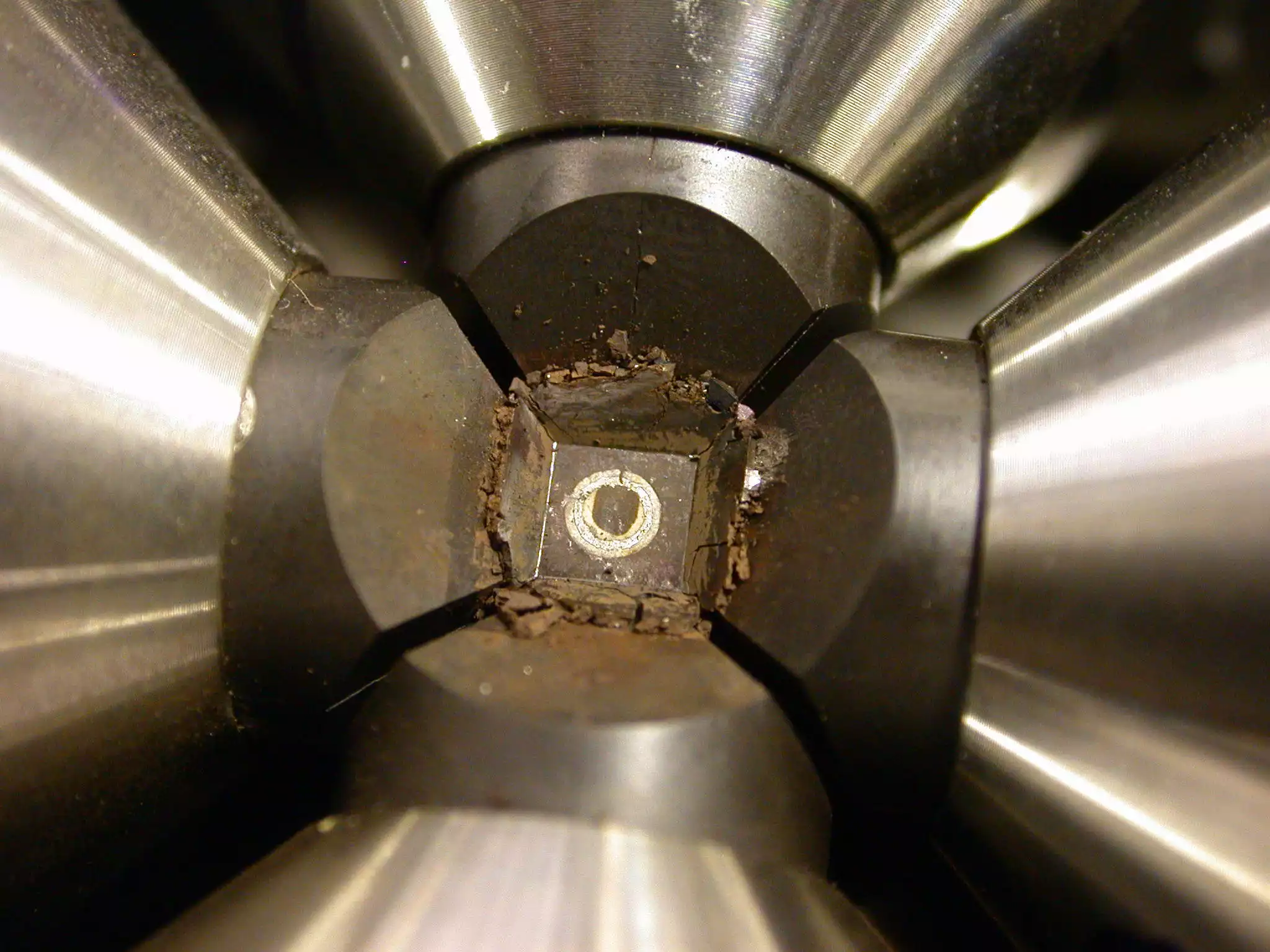
- 🧑🔬 Experimental petrology & crystallography — exploring thermodynamic properties under mantle conditions.
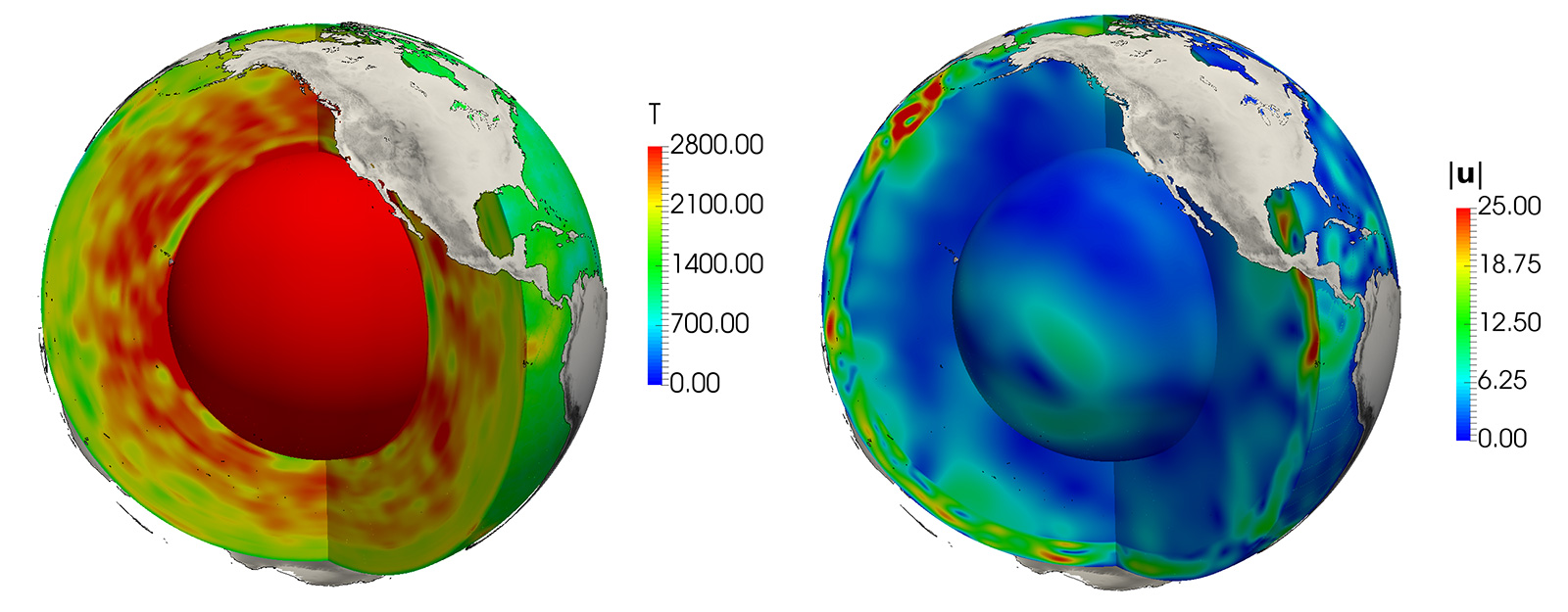
- 🌍 Computational geodynamics — modelling deformation and transport processes through advanced numerical methods.
🚧 WORK IN PROGRESS
We welcome contributions to develop this community space.
This is a living resource hub for researchers, students and professionals.
Get in touch →